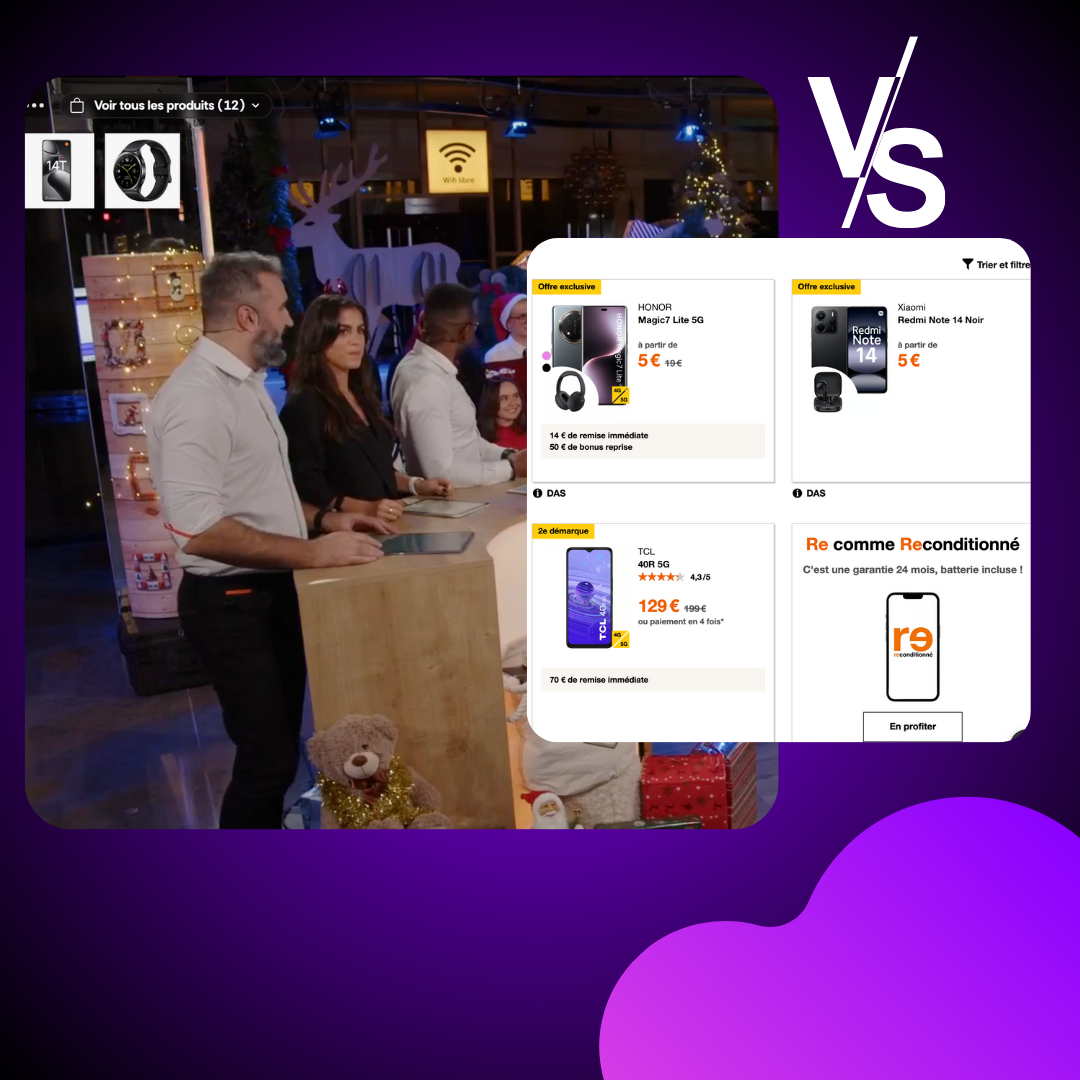
In a constantly evolving digital landscape, brands should no longer pit live shopping against traditional e-commerce - they should treat them as two complementary levers. Here's how these models can work together to optimize your commercial strategy.
Live shopping: a catalyst for e-commerce
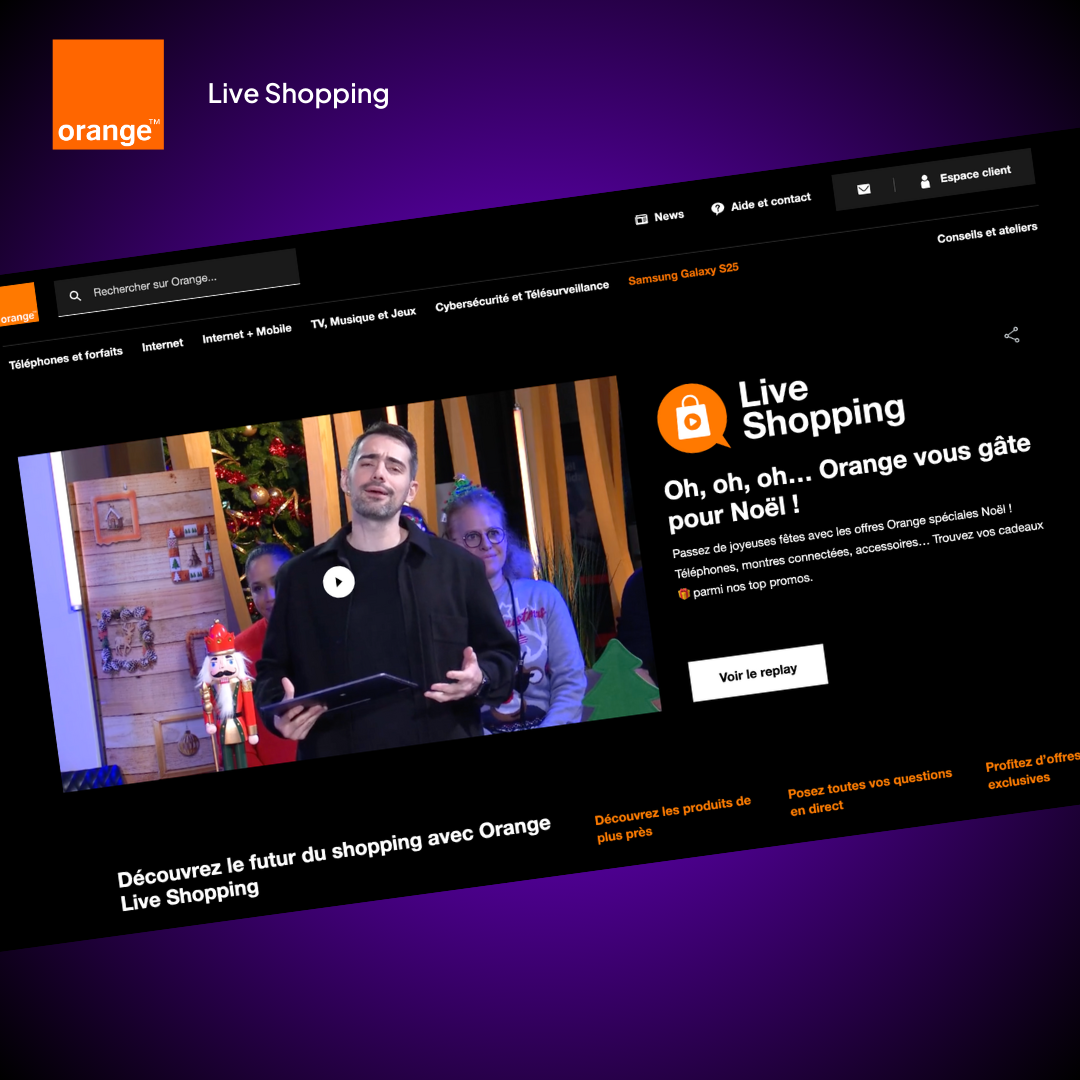
Live shopping - which combines online commerce with live video - allows consumers to interact with brands and buy instantly. This highly engaging format delivers several key benefits:
- Increased engagement: interactivity strengthens the bond with customers and drives impulse purchases.
- Authenticity and transparency: seeing the product live reduces doubt and builds trust.
- Urgency effect and improved conversions: exclusive deals and scarcity drive immediate purchasing.
- Fewer returns: consumers who have a clearer picture of the product make better-informed choices.
Traditional e-commerce: the solid foundation
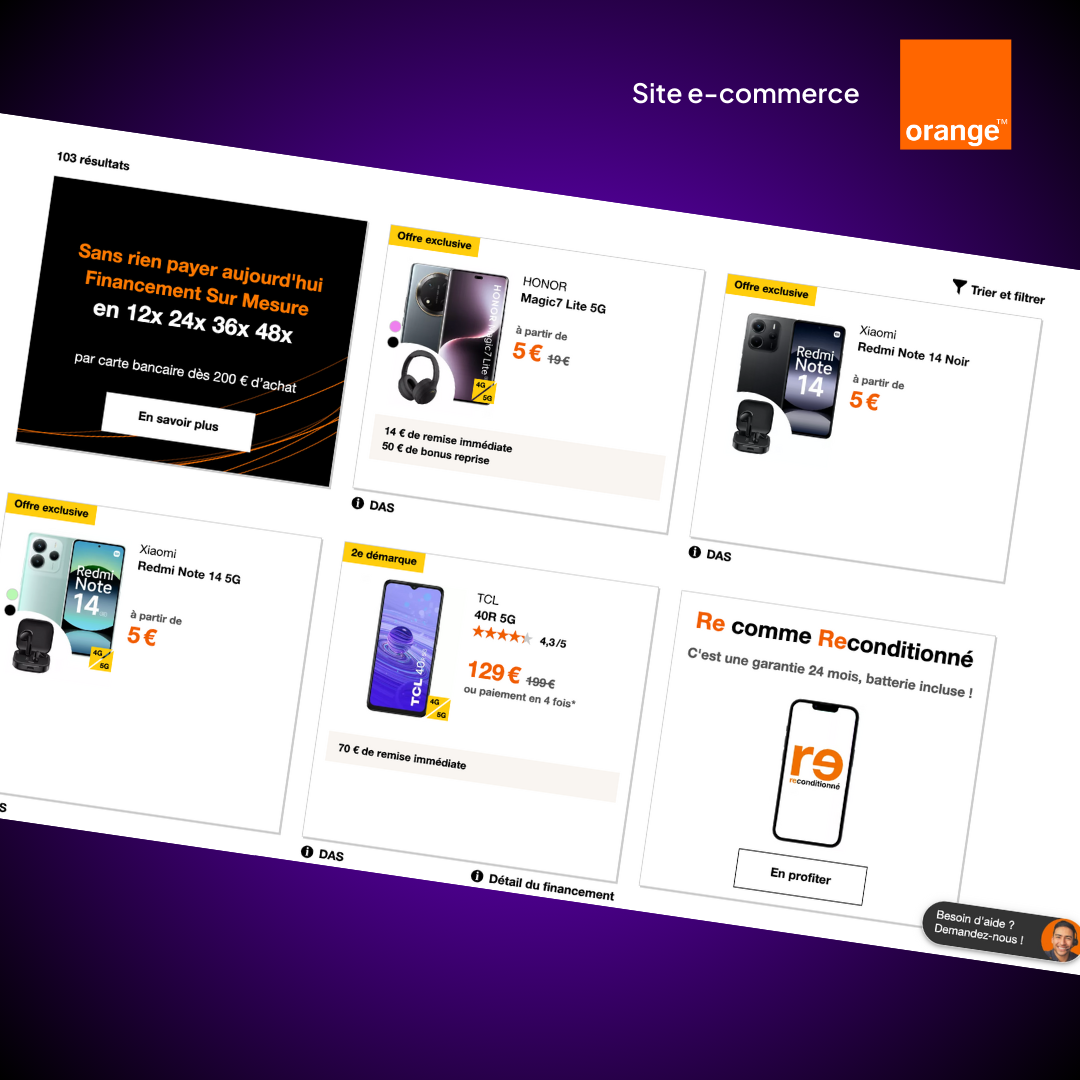
Traditional e-commerce remains essential for a seamless, always-on shopping experience. It enables:
- Round-the-clock availability: unlike live sales, customers can shop at any time.
- Optimized inventory and order management: operations are better structured.
- Automated marketing strategies: SEO, retargeting, and email campaigns continuously drive conversions.
A winning combination
Rather than choosing between these two models, brands benefit most from combining them. Live shopping boosts engagement and drives traffic to the online store, while traditional e-commerce ensures continuity and efficient logistics. By adopting a hybrid strategy, you maximize sales and offer an enriched experience to your customers.
Live shopping and e-commerce are not opposites - they're complementary. Experiment, adapt your strategy, and combine these tools to get the best out of online commerce and deliver an optimal shopping experience.
Ready to launch your Live Commerce strategy?
Discover how Caast can help you with a personalized demo.
See a live demo - 20 min