What Live Commerce trends should you watch in 2023? How will they impact your customers? Here are the trends to adopt for your e-commerce success this year.
Live Shopping is a powerful commercial driver for e-commerce. Did you know that 65% of the top 50 French e-commerce players have already rolled out a Live Commerce strategy? In this article, we share the 4 upcoming evolutions of Live Shopping identified by our teams:
- Gamification during lives
- Live content factories
- The integration of shoppable short videos into the customer journey
- In-depth live analytics
Gamification During Lives
Most live shopping sessions are relatively short, typically running between 20 and 50 minutes. Data shows that live shopping watch time is significantly longer than a standard ad, averaging between 7 and 9 minutes - giving brands far greater visibility. That kind of sustained attention is remarkable at a time when internet attention spans have dropped to just 8 seconds (source: Google). But you still need to know how to make the most of that window.
What does this mean in practice?
Exclusive content, rewards, quizzes, polls… In 2023, the quality of live events is set to rise dramatically, both in terms of format creativity and community interaction.
By applying game mechanics to your live shopping events, you can intensify viewer engagement and loyalty, and create a memorable, brand-specific experience. We strongly recommend thinking through your content scenarios to deliver an immersive and playful experience for your viewers.
According to The Future 100: in 2023, brands will have one key mission after these anxious years - reimagining their offer through the lens of joy and play!
The sooner you test engaging formats, the sooner you'll establish yourself as a creative, committed brand. Layer in data collection processes on top (replay retargeting, email campaigns, etc.) and you'll gain a deep understanding of your customers and their intentions.
Live Content Factories
Live Shopping responds to the growing demand from customers for a more immersive and interactive brand relationship. But the potential of replay content - before, during, and after the live - is often overlooked.
Live gives retailers and brands a strategic opportunity to build a "Content Factory" - generating unique, original content adapted to various formats that will have a meaningful impact on customer experiences. Live content drives engagement around key commercial moments, creates event-driven experiences that attract audiences, and sets brands apart.
"80% of live shopping session views happen after the broadcast ends."
Data shows that the majority of live shopping views occur after the live itself. Replay content can be segmented and embedded into the customer journey: on a product page, the replay starts exactly when that product was featured. Edited replays - shorts, highlights, capsule videos - can then be distributed across social media and reused throughout the customer experience.
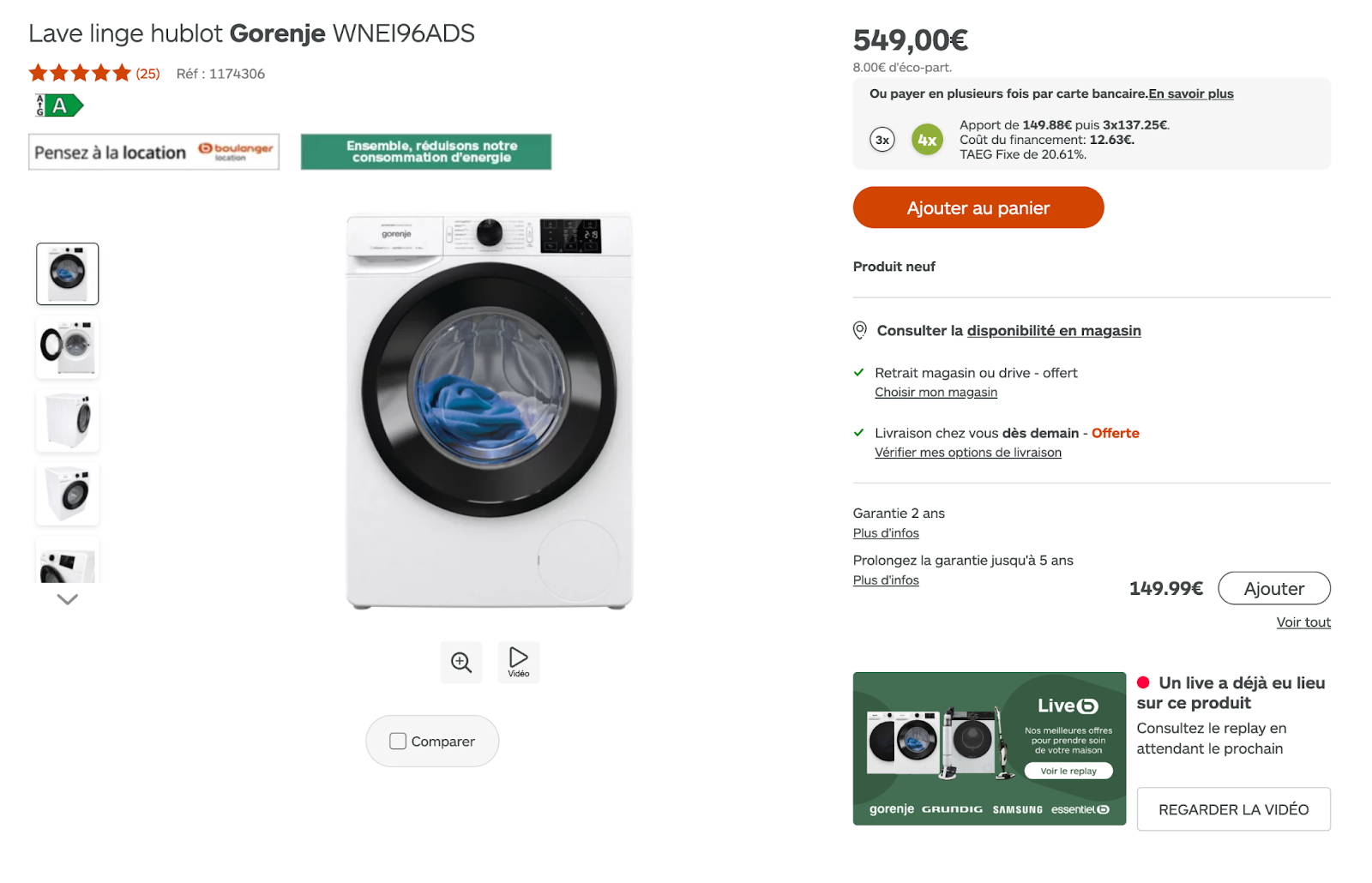
Building a content strategy into your action plan will sustainably and systematically improve the quality of your product and service pages, and reinforce customer trust throughout the buying experience. Including expert testimonials provides valuable guidance that supports conversion.
In-Depth Live Analytics
Without clear objectives, your data means very little. You'd never launch a campaign without defining your success metrics upfront - and live shopping is no different.
When it comes to improving the customer experience, understanding your data is non-negotiable. But to use it well, you first need to find it. In 2023, live analytics capabilities will expand, enabling deeper exploration and a stronger understanding of your results.
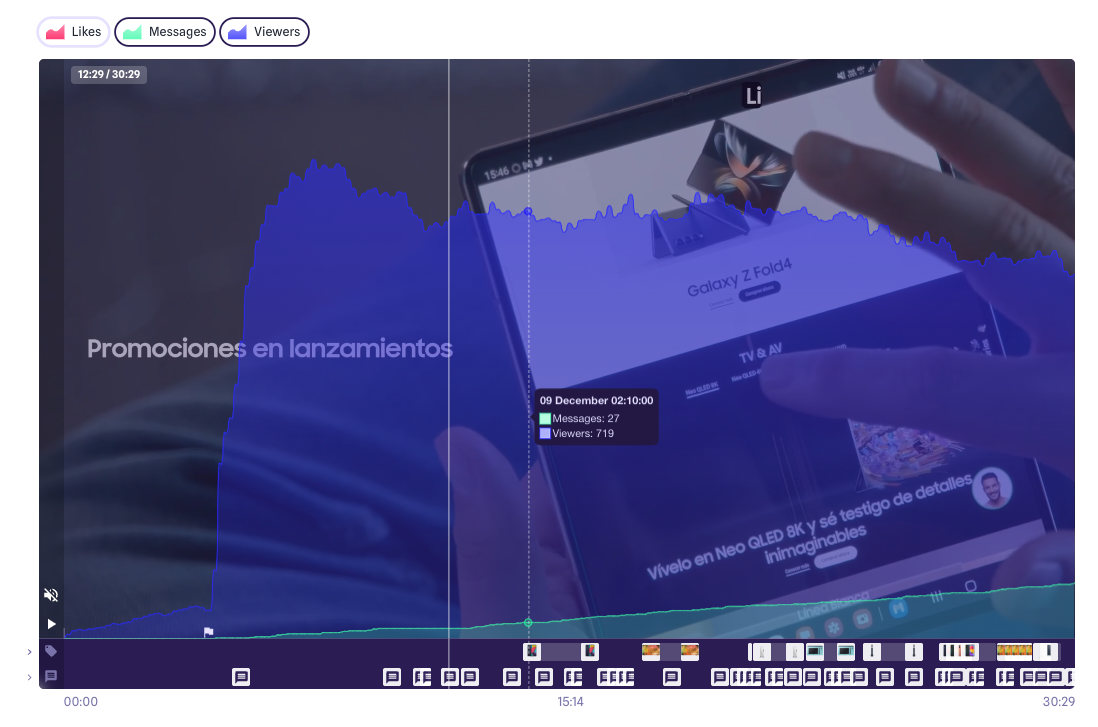
Real-time audience behavior analysis during the live
Understanding your audience and how they behave during your lives is critical input for building your commercial scenarios. It will help you sharpen your messaging and optimize campaign results. Identifying when your audience is most engaged - and when they disengage - will be essential for hitting your goals.
- {Example} You're a children's clothing brand. Most of your audience are active parents. You decide to start your live at 7 PM. But the data shows the majority of your audience watched the replay later that evening. For your target demographic, 7 PM is dinner and bath time. After reviewing the numbers, you shift your next live to a later time slot.
Systematic post-viewing satisfaction analysis
The quality of the exchange between your audience and your brand will continue to improve as you integrate feedback mechanisms during and at the end of your live shopping events. By establishing this new direct relationship with your customers, you can gather their opinions on products, understand their expectations, and learn what they thought of the live itself. This openness paves the way for a more community-driven live shopping experience where viewers become your brand ambassadors.
Systematically analyzing user satisfaction after viewing helps you understand which lives perform best - and why. This insight allows you to shape future lives around what viewers actually want, as part of a continuous improvement strategy.
- {Example} You're a distributor who ran a live with a celebrity chef presenting a new co-branded cookware collection. Everything looks great and the live is a success. But post-live feedback reveals that your audience wished they'd learned a bit more about the products. Good news - your audience is engaged! That's your cue to create a series of capsule videos exploring the features of your new cookware range. You now have commercial content that answers your customers' actual needs.
Integration with analytics tools (Google Analytics, Adobe Analytics, Piano Analytics, Data Studio, etc.)
By syncing analytics tools with your live shopping platform, you can track your customer's complete journey and monitor traffic from every channel. In an era where user navigation paths are increasingly opaque, this data is invaluable for crafting your omnichannel strategies. Through tracked links (UTM tags), follow your audience and analyze the full impact of your live on the customer journey and conversions.
- {Example} You're a retail brand running an exclusive promotion available only during the live. But after reviewing organic data, few viewers landed on your dedicated landing page. There was likely a communication issue or a problem with your tracking links ahead of the event.
By analyzing this data in real time, you gain a complete picture of your live performance. Use this insight to build lives that genuinely meet your brand's needs and objectives, and compare event to event to spot emerging trends. The more you leverage this data, the more powerful it becomes as a tool to grow your online business.
The Integration of Shoppable Short Videos into the Customer Journey
YouTube Shorts, Instagram Stories, Reels, TikTok… Social media has surged in popularity thanks to the rise of short-form content formats that meet the demand for speed and immediacy. The emergence of shoppable short videos in the e-commerce experience opens the door to original, more authentic, "snackable" formats that resonate with digital natives and boost the appeal of e-commerce platforms.
"Generation Z represents over 30% of the global population. Most members of this digital-native generation tend to be 'all social, all online, all the time.'"
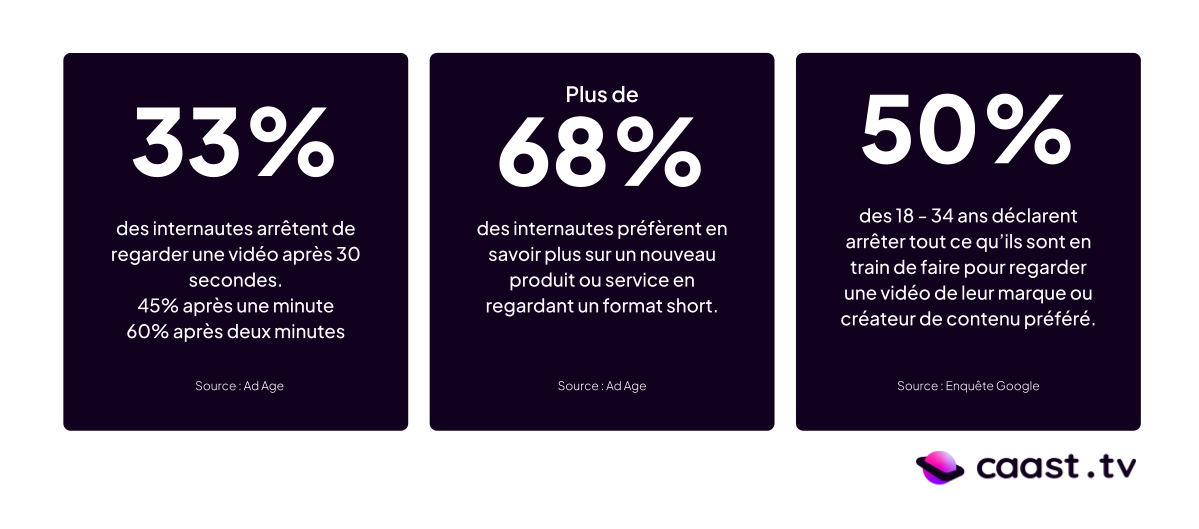
Why integrate this social commerce format directly on your own e-commerce site?
"Shoppable videos can work across every sector - home appliances, tech, cosmetics, fashion… They're as useful for showcasing a product from every angle as they are for highlighting an entire range. For a vacuum cleaner, for example, a series of videos might cover the product design, how to change the bag, how to use the different attachments…
Around a key commercial moment like Mother's Day, shoppable videos would instead spotlight different products from a makeup or body care range. With the same ease of purchase each time: one click and the product goes straight to the cart." Antoine Leclercq, CEO of Caast.TV
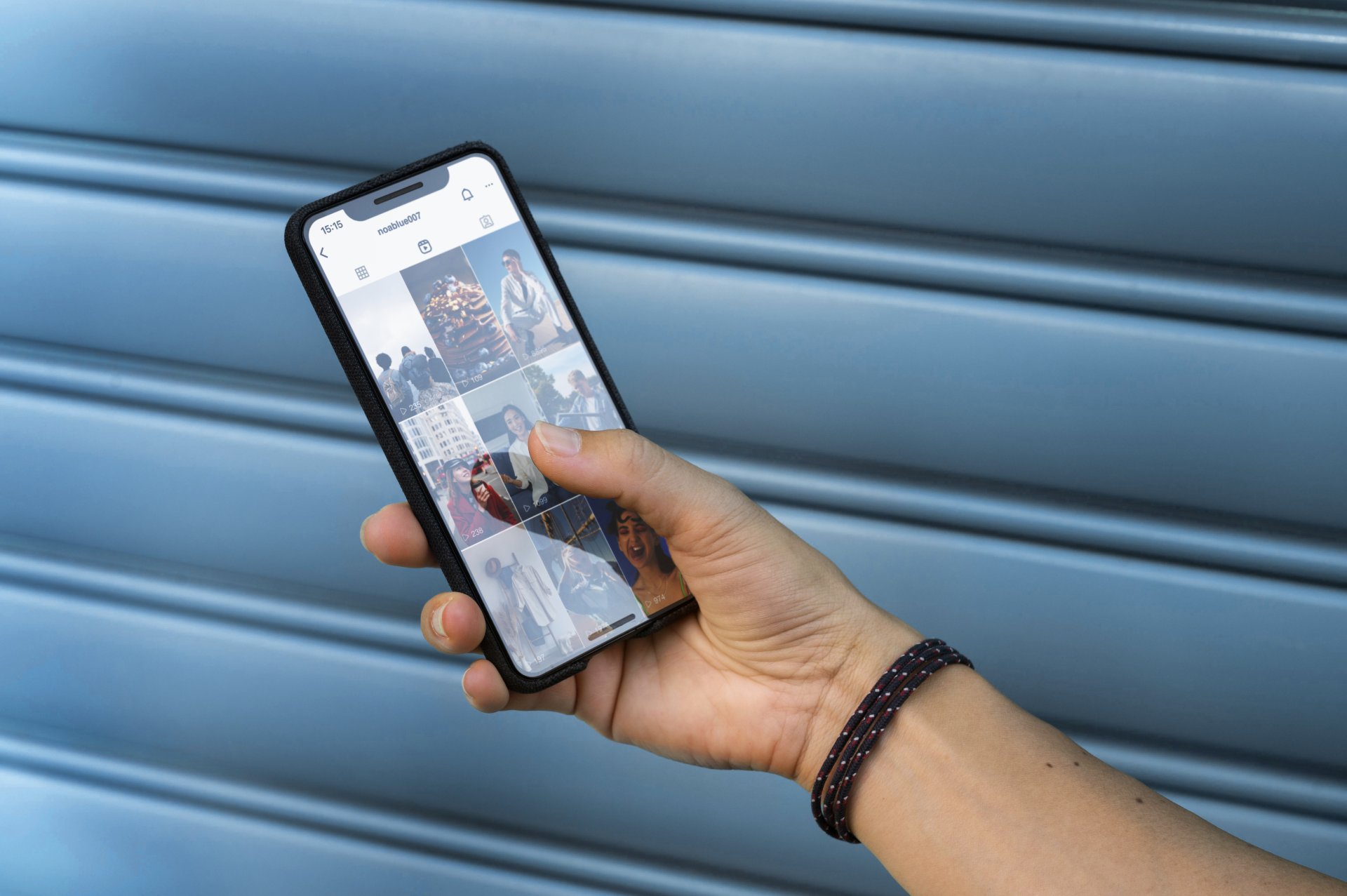
Shoppable Short Videos
Shoppable short videos offer users a social commerce experience natively integrated into the online platform. These interactive elements provide a personalized shopping journey tailored to interests and allow direct engagement with the video itself. They streamline the purchase path by reducing the number of clicks needed to add to cart, while maintaining the full shoppable video experience.
- {Example} For a new product launch, a collection of shoppable short videos could be built around specific product features - or the latest customer video reviews.
- {Example} On a toy-focused e-commerce site, you could easily feature a curated collection of the 7 best games for 8-10 year-olds ahead of Christmas, giving gift-idea-strapped parents an instant source of inspiration.
Retail Media
The "Shoppable Short Videos" format will also expand into the retail space, enabling distributors to offer a differentiated, high-performing solution to boost brand visibility on their e-commerce platforms - a natural complement to the live events they already offer.
In Summary for 2023
If live shopping is such an exceptional growth lever, it's because it offers an experience unlike anything else in the online commerce world. Its development was significantly accelerated by the events of the past two years, pushing consumers toward fully digital shopping experiences.
The fact that Facebook and Instagram were the pioneers of social commerce explains why internet users now expect the same practices from e-commerce brands. Accustomed to a certain standard in their digital habits, they demand more innovation from brands and a more memorable shopping experience - one that captures the feeling of browsing social media or, on the other end of the spectrum, shopping in a physical store.
Feedback, polls, snackable content… Consumers want an entertaining experience. They're more likely to convert when they feel they can interact with community-driven content and engage directly with brands.
For e-commerce players, this means building richer, more refined content strategies around the purchase journey - and, in turn, generating more precise customer data to analyze. Working on narrative, the experience around the product, polling audiences on their buying intentions, and building an omnichannel strategy from the results will be the goals to reach for a successful transition to social commerce.
These trends are fast becoming part of the e-commerce landscape. Are you ready for the challenge?
Ready to launch your Live Commerce strategy?
Discover how Caast can help you with a personalized demo.
See a live demo - 20 min