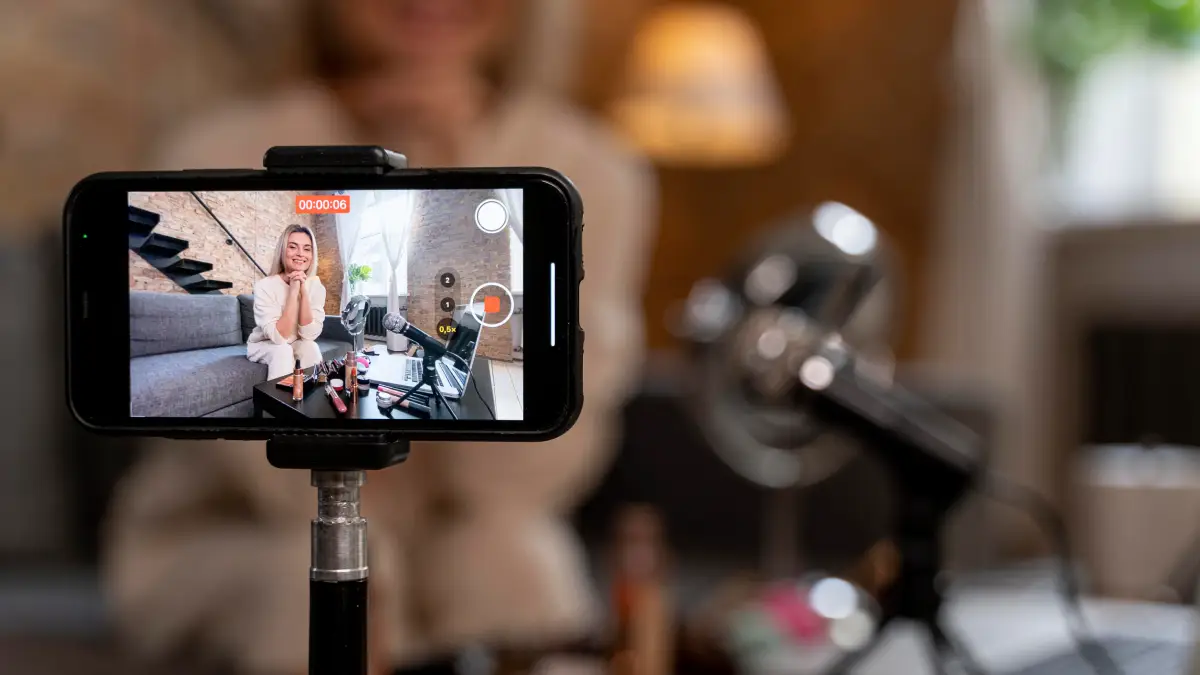
What is live shopping and what can it do for brands?
Live shopping is revolutionizing the world of online commerce. Driven by digital trends, it improves the user experience on e-commerce sites, boosts sales, and increases customer loyalty. Follow our 2024 Live Shopping guide for your e-commerce business!
What is live shopping?
Live shopping is a concept that combines live video streaming with online purchasing. Users can watch real-time videos showcasing products, ask questions, and make purchases without leaving the platform. Live shopping first gained popularity in China, where it became enormously successful through platforms like Taobao Live and JD.com. Since then, it has expanded to other regions, including Europe and the United States.
Live Commerce - its other name - has seen rapid growth, driven partly by the rising popularity of social media platforms and shifting consumer habits (online shopping, health crises closing physical stores). Shoppers increasingly seek personalized and interactive shopping experiences, and live shopping meets that demand by offering engaging content and a more humanized buying experience. Live shopping has become an indispensable tool in any effective marketing strategy for brands looking to drive product adoption.

Who is betting on live shopping?
Many brands have embraced live shopping and use it regularly. They collaborate with influencers and experts to host live sessions, attracting a broader audience and increasing engagement. These experts play a crucial role in the success of a live shopping session - they provide in-depth analysis while humanizing the product presentation, making the buying experience more appealing to consumers.

Orange Live Shopping - December 2023. Caast has over 100 clients and has hosted more than 1,000 live shopping events across all areas of retail and e-commerce:
- Consumer electronics
- Computing
- Home appliances
- Mass retail
- Culture
- Cosmetics
- Technology
- Fashion
- Mobility
Major retail leaders have adopted live shopping, including Norauto, Leclerc, Boulanger, and Sephora.
Current trends and future outlook for live shopping
Live shopping continues to evolve, adapting to changing consumer preferences and technological advances.
Some live shopping solution providers and brands are working on innovative developments including:
- Integration of augmented reality (AR) into live video streams, allowing users to virtually try products before purchasing,
- Use of artificial intelligence (AI) to personalize product recommendations,
- Diversifying live content, including tutorials, demonstrations, and special events.
Looking ahead, live shopping is likely to expand further into sectors where it remains underutilized, such as cosmetics and beauty. Brands and solution providers will need to stay ahead of trends and innovations to fully capitalize on this growth opportunity.
If live shopping is a solution for e-commerce sites, it can also be used in a Drive-to-Store approach for in-store pickup.
The benefits of live shopping for brands and retailers
Stronger customer engagement through live shopping
Live shopping allows brands to build a stronger connection with their customers by offering an interactive and personalized shopping experience - both during the live broadcast and in replay videos. Consumers can ask questions directly to the presenters and get answers in real time, which builds trust and engagement. Live shopping sessions also give brands the opportunity to showcase their products in a more authentic way, demonstrating how they work and addressing customer concerns.

Boulanger Live Shopping featuring a kitchen appliance expert and a host advisor. Additionally, brands can leverage influencers to deepen customer engagement: they can mobilize their communities, who are likely to be interested in the recommended products and interact with the brand. By collaborating with influencers, brands benefit from greater exposure and stronger consumer engagement.
Driving sales and increasing average basket value through live shopping
Live shopping offers considerable potential to boost sales and increase consumers' average basket value. Live sessions create a sense of urgency and exclusivity, encouraging buyers to act quickly and make more spontaneous purchases. This helps prevent shoppers from abandoning their carts before completing the order. Presenters can also highlight special offers and promotions to encourage purchases during the session.
The interactive nature of live shopping also allows brands to address customer objections in real time, which can help turn hesitation into sales. Brands can use live shopping to showcase product launches, offer expert advice, and answer customer questions - all of which streamline the purchase decision process and drive sales growth.
Improving brand awareness and image through live shopping
From a marketing strategy perspective, live shopping can also help improve brand awareness and image by enabling companies to stand out from the competition and create a unique shopping experience. Live shopping sessions give brands a platform to share their story and values while presenting their products in a creative and engaging way. This entertainment-focused Live Branding experience - where guests use a product without necessarily presenting it in detail - is ideal for building awareness around a new brand or a new product line, and immediately establishes the brand's image.
By choosing the right influencers and creating interactive content, brands can strengthen their image with consumers and grow their awareness. Live shopping can also help build lasting relationships with customers, offering a memorable shopping experience that encourages them to return, recommend the brand to friends and family, and follow the brand on social media.

Succeeding at live shopping: the keys to success
Choosing the right platform and presenters for a successful live shopping session
Succeeding at live shopping requires choosing the right platform and the right influencers - this is part of your commercial and marketing strategy. Brands must consider their target audience and their objectives when selecting a live shopping solution. It's equally important to choose guests and presenters who align with the brand image and have an engaged fan base that is genuinely interested in the products on offer.
Once the platform and guests are chosen, brands must work closely with them to plan and prepare live shopping sessions. This can include setting objectives, creating a script, and coordinating logistics such as shipping and inventory management.
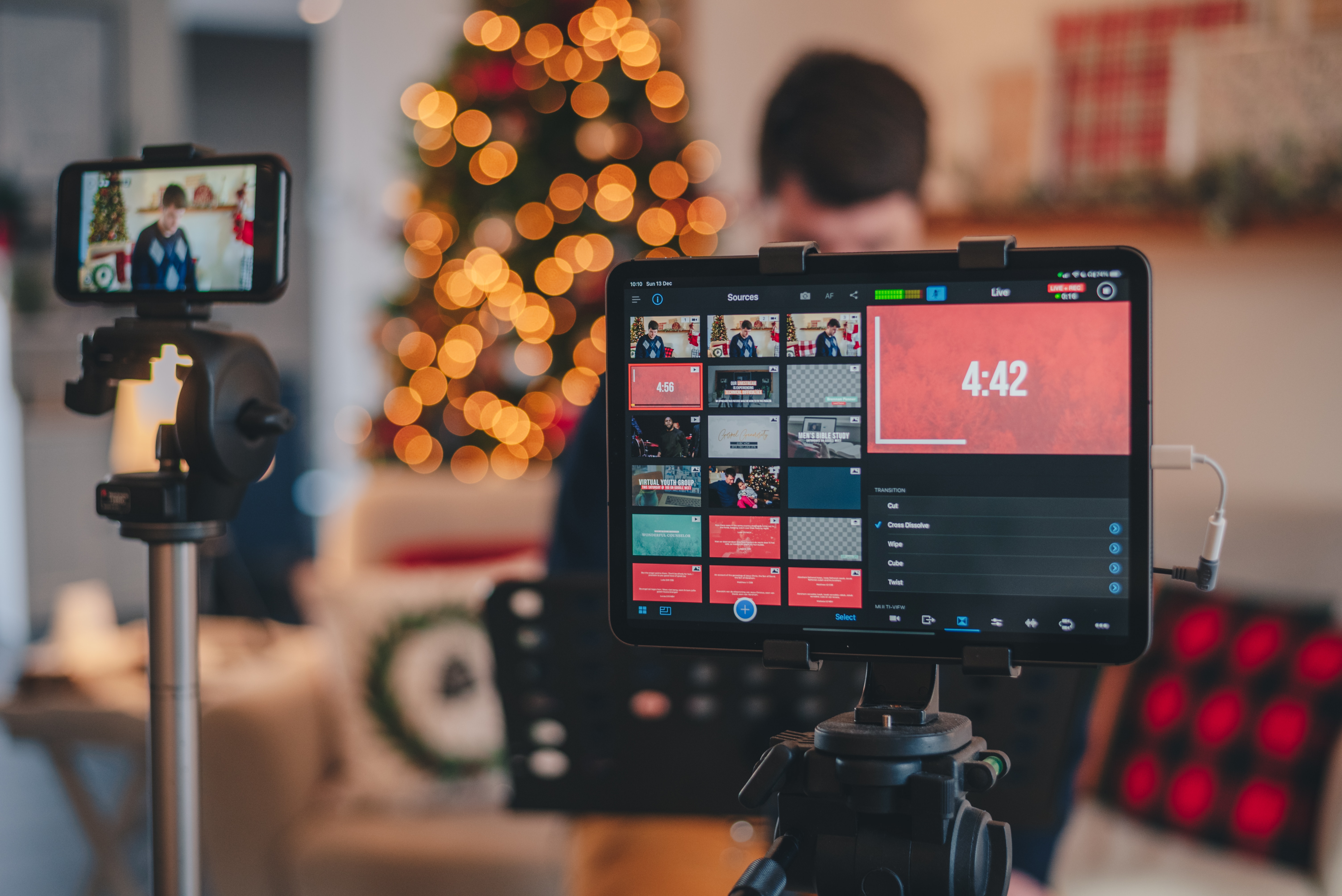
Several platforms are available for broadcasting a live shopping session:
- Your own brand website
- Your distributors' e-commerce sites
- Your social media channels
It's worth noting that broadcasting on social media supports an audience acquisition strategy through social communities, but does not allow direct selling on the platform itself. You'll need to invite social media audiences to watch the live video on your e-commerce site in order to convert them into potential buyers.
Creating interactive and engaging video content to capture consumer attention
Content is king in live shopping: creating interactive and engaging videos to capture consumer attention is essential.
Brands must develop a variety of concepts to keep viewers interested throughout the session and ensure a positive impact on sales:
- Engaging product presentations
- Live demonstrations
- Q&A sessions

It's also important to encourage interaction between viewers and presenters, using features such as polls, games, and contests to get users involved and keep them engaged throughout the session. By offering an interactive and entertaining experience, brands can maximize consumer engagement and increase the likelihood of converting viewers into buyers.
Measuring and analyzing performance to optimize live shopping results
Finally, to succeed at live shopping, it's essential to measure and analyze results in order to optimize performance. Brands should track key performance indicators (KPIs) such as views, interactions, sales, and average basket value to assess the effectiveness of their live shopping sessions.
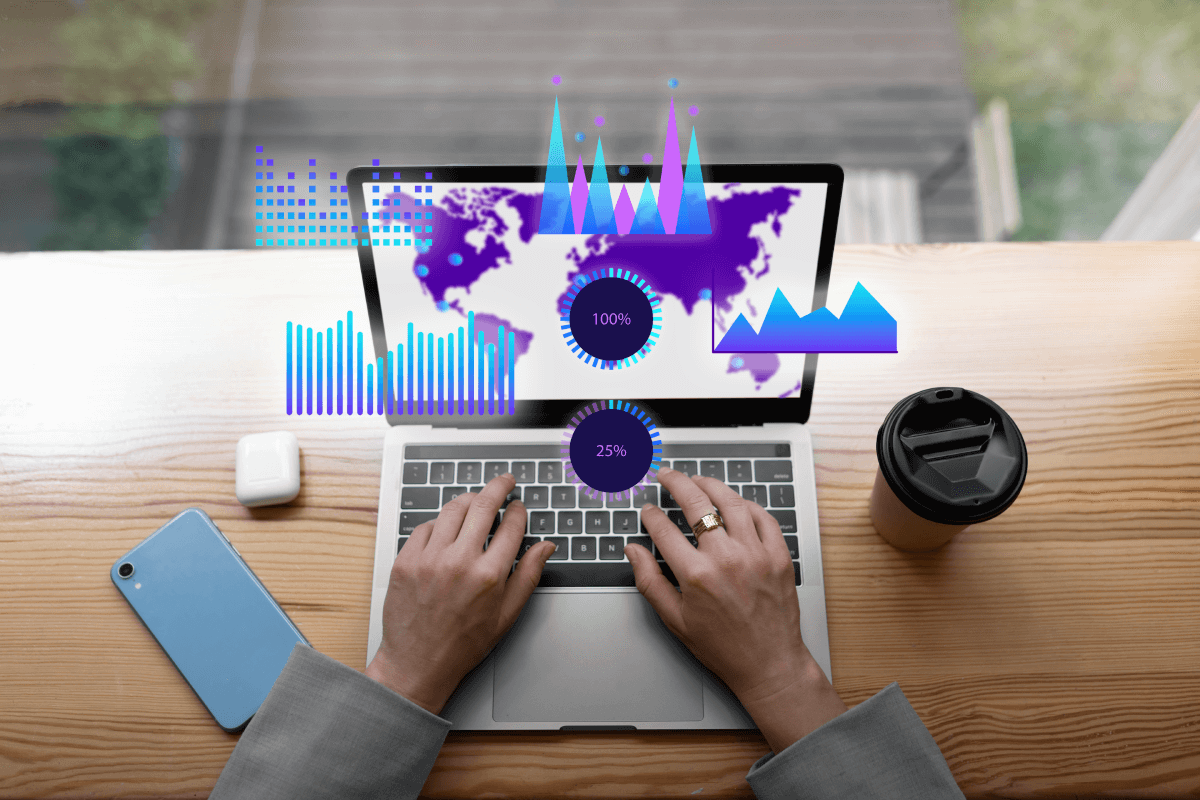
By analyzing this data, brands can identify the strengths and weaknesses of their live shopping sessions and make adjustments to improve future results. This may include changes to content, adjustments to influencer strategy, or platform changes if needed. Companies like Caast.tv can also help with this analysis, in addition to deploying the live shopping solution itself.
In summary, live shopping is an innovative and fast-growing opportunity for brands looking to offer their customers a human and engaging shopping experience. By understanding the trends and key players in the space, leveraging the benefits of live shopping, and applying best practices, brands can fully capitalize on this emerging trend and stand out in the competitive e-commerce landscape. Live shopping in 2024 is the essential tool to integrate into your marketing, commercial, and social media strategy to sell your products even more effectively in your online store.
Ready to launch your Live Commerce strategy?
Discover how Caast can help you with a personalized demo.
See a live demo - 20 min