Understanding Live Shopping and Its Advantages
Live Shopping has emerged as a major e-commerce trend since the exceptional circumstances of 2020. This innovative practice consists of presenting and selling products in real time via digital platforms, offering users an interactive and immersive experience. By turning the act of buying into an entertaining and engaging event, Live Shopping lets consumers ask questions in real time, get immediate answers, and access exclusive offers - multiplying conversion rates by up to 10x compared to traditional sales channels (McKinsey).
The rise of Live Shopping is driven by its ability to create a sense of urgency and exclusivity, while delivering a personalised, direct experience. Adaptable to a wide range of sectors, it integrates seamlessly into multiple channels and has become an indispensable growth driver in the online commerce landscape. By offering human connection and a social experience, Live Shopping is set to become a lasting trend - transforming the customer journey into an enriching, interactive experience while boosting customer loyalty.
Building a Brand Dedicated to Live Shopping
Building a brand dedicated to Live Shopping is a strategic move that lets you capitalise on the full power of this sales format. Such a brand needs to be agile, visual, and interactive - with a strong emphasis on the personality and story behind the products. This requires deep thinking about brand identity, defining a unique value proposition, and designing a cohesive, compelling user experience.
A successful Live Shopping brand is built on a strong, recognisable identity, an optimised online presence, and an engaging content strategy. It needs to stand out in a saturated digital environment by delivering a brand experience that resonates with its audience's aspirations and needs. The brand must also be flexible enough to adapt across different broadcasting platforms and content formats, while maintaining consistency in its messaging and visual identity.
The Key Elements of a Strong Digital Brand
Several key elements are essential to building a solid digital brand. These include a striking visual identity that reflects your brand and its buyers: a compelling logo, a representative colour palette, an intuitive website, and a clear editorial voice - all working together to make your brand instantly recognisable and clearly communicate who it speaks to. The goal is to build a visual and narrative identity that is both memorable and true to your brand's values.
Creating original, high-quality content is equally crucial. This content needs to inform and entertain, but also encourage interaction and participation from shoppers on your e-commerce platform. Finally, an effective SEO strategy and an active social media presence are essential for increasing brand visibility and driving traffic to your Live Shopping channels.
In your branding and marketing strategy, consider leaning on User Generated Content (UGC) - content created by your own customers - to bring your products closer to the reality of real-world buyers.
This brand identity doesn't need to completely replace your existing brand - it simply needs to be adapted for the live format.
How to Adapt These Elements to Live Shopping
Adaptation is key when transposing a digital brand into the Live Shopping context. Content must be designed to captivate a live audience, with powerful storytelling and compelling visuals. Active audience participation should be encouraged through clear calls to action and exclusive offers presented during the live.
The brand experience must be consistent across all touchpoints - from the website to social media to the Live Shopping session itself. This means harmonising messages, maintaining a consistent tone of voice, and delivering thoughtful staging that reflects the brand's identity throughout every live broadcast.
Examples of Brands Winning at Live Shopping
Several brands have already leveraged Live Shopping effectively by developing innovative strategies and creating dedicated identities for their live sessions.
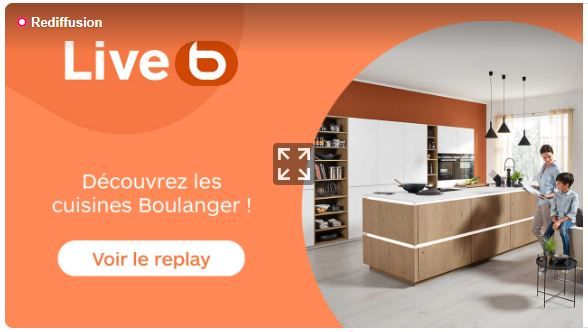
Boulanger Live created a specific brand for its Live sessions, echoing its existing branding through the "B" already used across its products and communications.
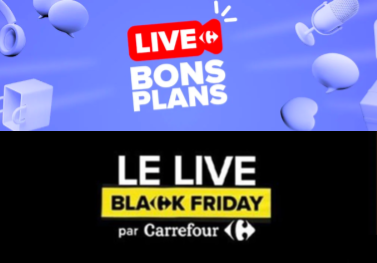
Carrefour Live, like Boulanger, simply adds "Live" to its minimalist logo, adjusting it to suit the type of live session - whether "Bons plans" deals or events like Black Friday and end-of-year celebrations.

Sephora Live plays with its brand identity within the word "Live" itself, using a colourful and contemporary design.

Uniqlo created its "Live Station" to give its shoppers a dedicated destination and appointment space.
These brands understand the importance of customer engagement and user experience. They use Live Shopping as a vehicle for storytelling, product demonstration, and building a community of loyal, engaged customers. Their success rests on thorough preparation, a deep understanding of their audience, and a strategic use of collected data to continuously improve the experience.
Steps to Build Your Live Shopping Brand
Creating a dedicated Live Shopping brand is a project that requires a methodical approach within your broader e-commerce strategy. Before launching, it's essential to understand the market, define your audience, and craft a unique value proposition. This starts with a planning and market research phase to identify opportunities, trends, and consumer expectations.
Once this foundation is in place, move on to brand creation and development. This involves designing a visual identity, building a web presence, and developing a content strategy tailored to Live Shopping. It's also important to think about logistics and customer service to ensure a smooth, satisfying purchase experience.
Planning and Market Research
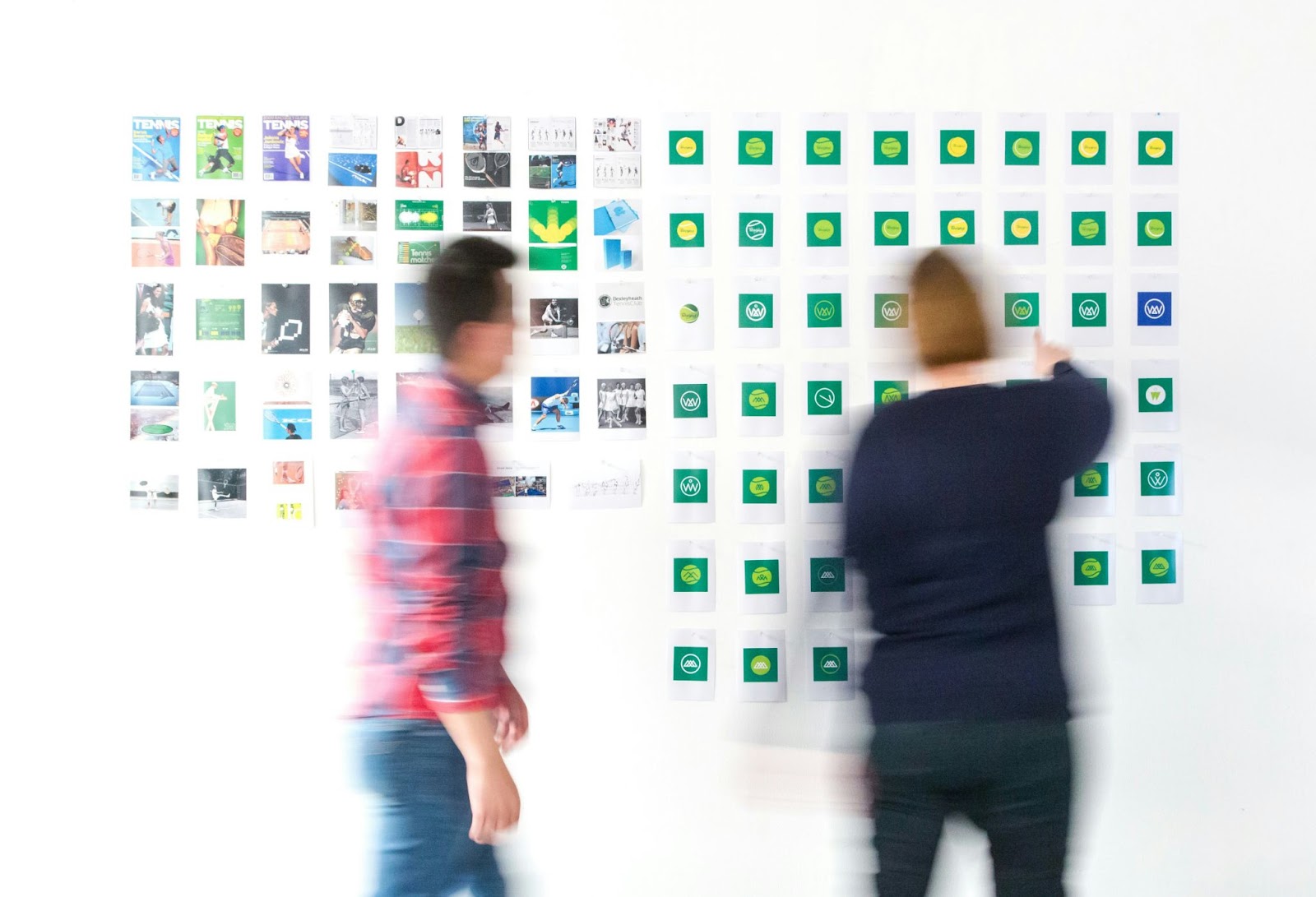
The first step in building a Live Shopping brand is planning and market research. This means conducting a study to understand your target audience's needs and wants, as well as identifying current and future trends in the sector. It's important to determine what makes your brand unique and how it can position itself competitively in the digital ecosystem.
Analysing the competition and identifying industry best practices is equally valuable. Understanding consumer behaviour and the factors that influence purchase decisions is essential for designing a relevant offer and marketing message. This research phase lays the solid foundations needed to develop a thriving Live Shopping brand.
Brand Creation and Development
Brand creation and development form the cornerstone of your Live Shopping project. This phase includes defining your brand identity - creating a name, logo, tagline, and colour palette that convey your company's values and mission, while connecting back to your parent brand. Building a strong brand image that resonates with your audience and stands out in the digital space is essential.
Brand development also involves putting in place a content strategy that engages users and encourages them to participate in Live Shopping events. Think about creating compelling narratives around your products and planning interactive presentations that stimulate curiosity and interest. Building an engaged community around your brand is also a crucial factor for long-term customer retention and success.
Marketing and Promotion of Your Live Shopping Brand
Once your brand is established, develop an effective marketing and promotion strategy to attract and retain customers. This includes choosing the right distribution channels, forging strategic partnerships, and running targeted advertising campaigns. It's also essential to track your performance indicators and continuously optimise your marketing efforts.
The promotion of your Live Shopping brand needs to be dynamic and tailored to the specific nature of this format. Pre-event campaigns to build anticipation, influencer collaborations to extend your brand's reach, and storytelling to create an emotional connection with your audience are all proven techniques. Finally, gathering post-session feedback from both participants and your project team is crucial for improving future sessions and building lasting relationships with consumers.
Ready to launch your Live Commerce strategy?
Discover how Caast can help you with a personalized demo.
See a live demo - 20 min