Understanding Live Shopping and Its Role in an Omnichannel Sales Strategy
What is Live Shopping?
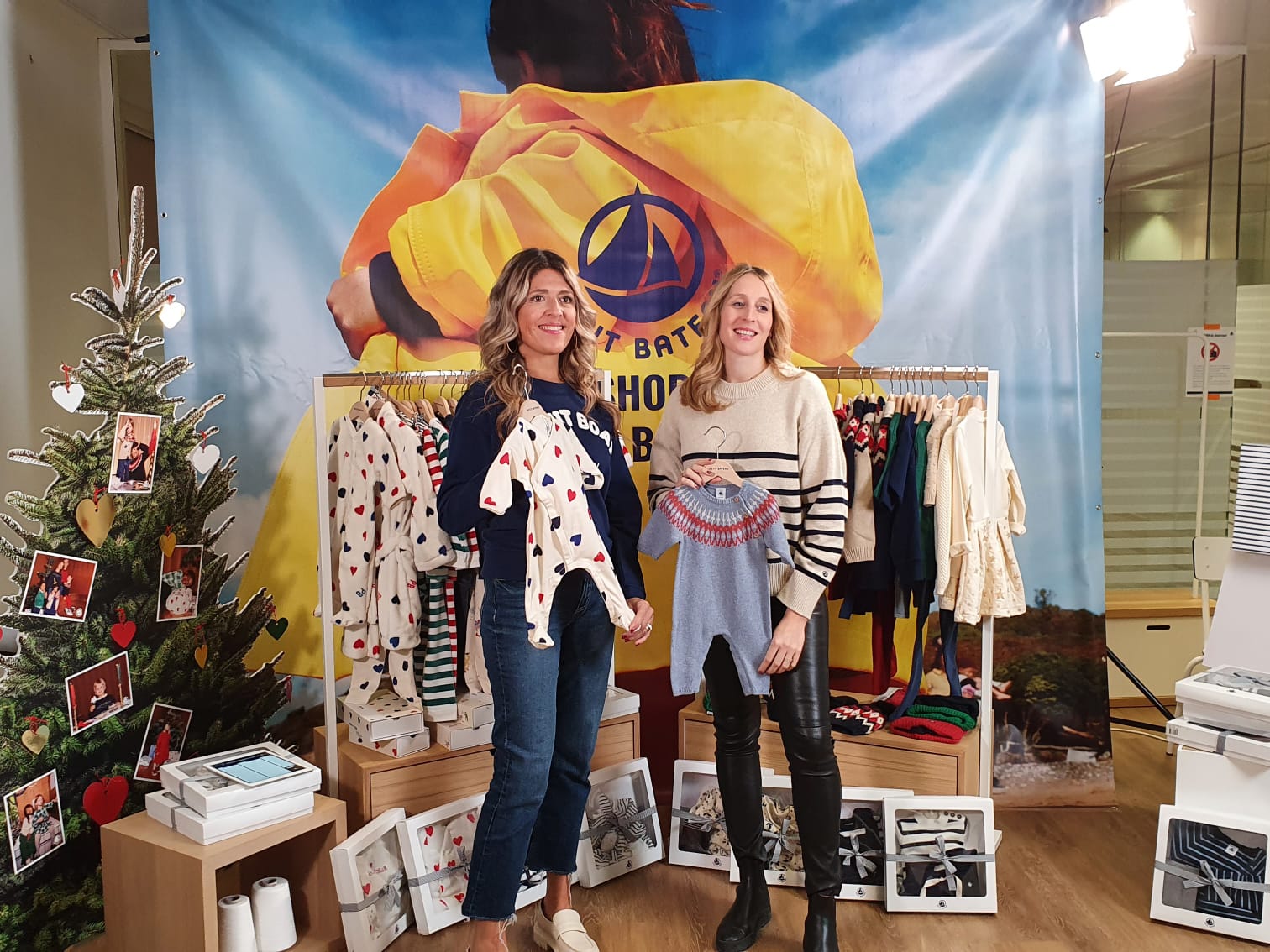
Live Shopping is a live video solution (inspired by TV shopping channels) that supercharges e-commerce by offering interactive sessions where buyers can ask questions, interact with hosts, and add products to their carts in real time. This solution allows retailers and brands to showcase their products, answer questions, and connect directly with their audience - combining the appeal of social media with storytelling techniques to deliver a captivating, dynamic shopping experience. Live Commerce follows the evolution of purchasing behaviors, offering an immersive and engaging alternative to traditional e-commerce.
By humanizing the online shopping experience, Live Shopping fosters direct interaction between brands and buyers - an interactive dynamic where products are shown in action, and consumers can get detailed information and ask questions on the spot. This engaging approach not only lets customers discover products live, but also benefit from special promotions and build closer connections with brands, creating an immersive, interactive, and personalized shopping experience that opens new horizons for consumers.
Building an Omnichannel Sales Strategy in the Phygital Era
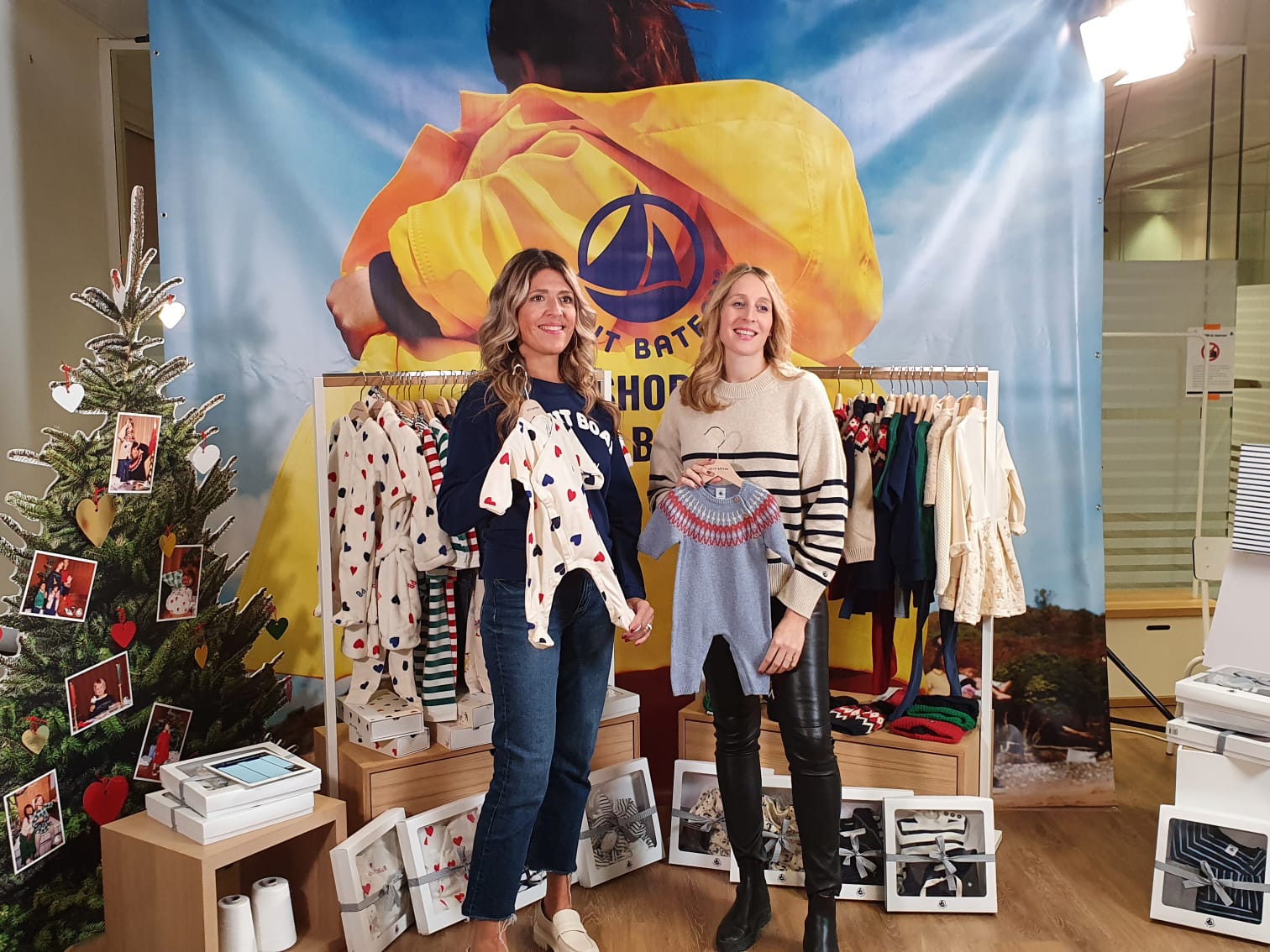
In the phygital era (where "physical" and "digital" merge), developing an omnichannel sales approach has become essential for brands looking to optimize visibility and performance. The omnichannel approach means offering a seamless, consistent shopping experience across all customer touchpoints - both online and offline. This requires a harmonious integration of all sales and communication channels.
To succeed with this strategy, it's crucial to understand the needs and behaviors of today's consumers, who often want a flexible purchasing journey that lets them move easily between digital and physical. A well-built omnichannel system must ensure that every interaction - whether on an e-commerce site, mobile app, social media, or in-store - is connected and enriches the overall customer experience.
How Does Live Commerce Fit into an Omnichannel Sales Strategy?
Live Shopping is a powerful catalyst for an omnichannel sales strategy, as it creates a direct connection with consumers wherever they are. By integrating naturally into both digital and physical customer journeys, it brings a human, interactive dimension that traditional e-commerce often lacks. Live Commerce sessions can be linked to online stores, encouraging customers to make immediate purchases through exclusive offers or live product demonstrations.
This integration needs to be thought through strategically to ensure a frictionless experience. For example, customers might start by watching a Live Shopping session on their smartphone and then complete their purchase online - or pick up their product in-store. This synergy between channels reinforces the perception of an innovative, customer-centric brand, which is essential in today's competitive landscape.
The Benefits of Live Shopping in an Omnichannel Strategy
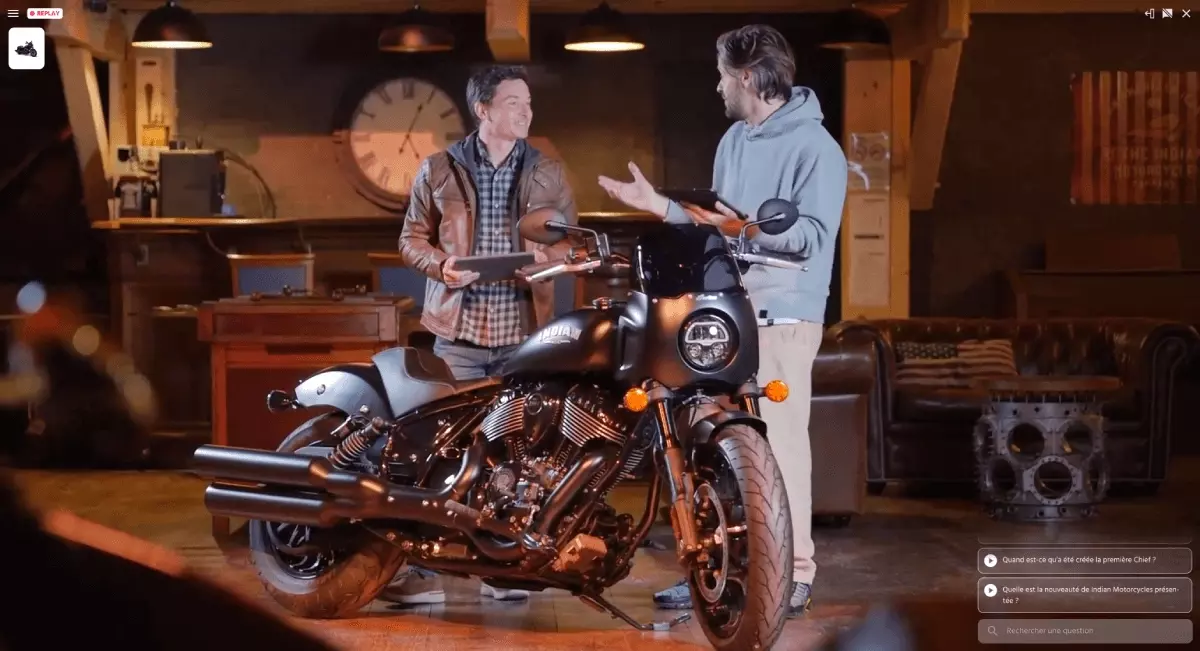
The Indian Motorcycles Live, an example of Live Shopping used in a Drive-to-Store approach
Creating an Interactive and Immersive Shopping Experience
One of the main advantages of Live Shopping is its ability to create an interactive, immersive shopping experience. Consumers aren't just observers - they participate, asking live questions, sharing opinions, and even influencing the direction of the session. This level of engagement transforms the act of buying into an experience that goes far beyond a simple transaction.
This interactivity fosters a sense of community among participants, deepening their emotional connection with the brand. Consumers feel valued and heard, which is fundamental to building trust and long-term brand affinity.
Increasing Engagement and Brand Interaction
Live Shopping also drives stronger customer engagement with the brand. By delivering live, interactive content, brands capture attention and sustain consumer interest - encouraging viewers to engage more deeply with the product or service being presented. This creates a unique opportunity for brands to convey their message, highlight their values, and demonstrate product effectiveness in real time. Brands can also develop a dedicated Live Shopping identity.
Generating Buzz Around Products and Events
Live Shopping is also an excellent way to generate buzz around new products or special events. By orchestrating live product launches or demonstrations, brands can create a sense of urgency and exclusivity that drives interest and demand. This sales technique not only draws attention but also encourages more impulsive purchases, which can significantly boost short-term sales. These live events are often paired with time-limited promotions or exclusive offers that push viewers to act fast - transforming a hesitant consumer into an enthusiastic buyer.
Improving Conversion and Customer Loyalty
The impact of Live Shopping on conversion rates and customer loyalty is undeniable. By providing a platform for a live, personal product demonstration, brands can effectively convince consumers of their products' value - which often translates into higher conversion rates compared to other forms of digital marketing. Moreover, live interactions make it easier to build an emotional connection, which is a powerful driver of loyalty.
Post-purchase follow-up is equally important in building customer loyalty. Through Live Commerce, brands can continue to engage customers by offering exclusive content, invitations to future live events, or personalized after-sales service. This holistic approach helps build a loyal, satisfied customer base - one that will return for future shopping experiences.
Steps to Integrate Live Shopping into Your Omnichannel Strategy
Assess Your Brand's Needs and Objectives
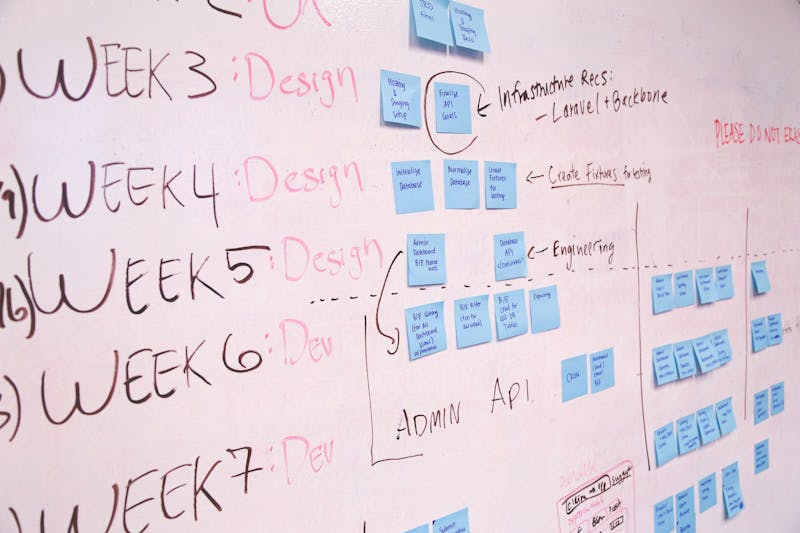
Integrating Live Shopping into an omnichannel strategy starts with a careful assessment of your business needs and objectives. It's crucial to clearly define what you want to achieve: increased sales, improved customer engagement, new product launches, and so on. This step also involves analyzing your target audience, their preferences, and their purchasing behavior - to ensure Live Shopping is a relevant channel for reaching your customers. A deep understanding of your market, competitors, and current consumer trends is also necessary to shape your Live Shopping strategy in a way that resonates with your audience, maximizing its impact and effectiveness.
Plan and Create Content for Your Live Shopping Sessions
Meticulous planning and compelling content creation are essential for successful Live Shopping sessions. This means determining themes, featured products, and session formats - whether product demos, tutorials, Q&As, or influencer interviews. Content must be both informative and entertaining to keep viewers engaged throughout the session.
It's also important to properly train the hosts or influencers who will lead your Live Shopping sessions. They need to effectively communicate product benefits, manage audience interactions, and keep the energy and enthusiasm high throughout the event. Quality content, an effective opening sequence, and a tone that matches your audience are all decisive factors in converting viewers into buyers.
We recommend drawing inspiration from the best Live Shopping sessions out there - as well as from your own analytics - to best meet your buyers' needs throughout their journey.
Promote Your Live Shopping Sessions Across Multiple Channels
For your Live Shopping sessions to reach a wide and engaged audience, a multi-channel promotion and marketing strategy is essential. This includes social media, email, online advertising, and even in-store signage to inform potential customers about upcoming events. Consistent messaging across all channels reinforces brand recognition and ensures you reach consumers at multiple touchpoints.
It can be beneficial to build anticipation ahead of the event through teasers or countdown timers, and to encourage registrations or reminders to maximize attendance. Once the event is over, keep your audience engaged with recaps, session recordings, or post-event offers to extend the impact of your Live Commerce.
Integrate Live Shopping with Your Other Sales and Communication Channels
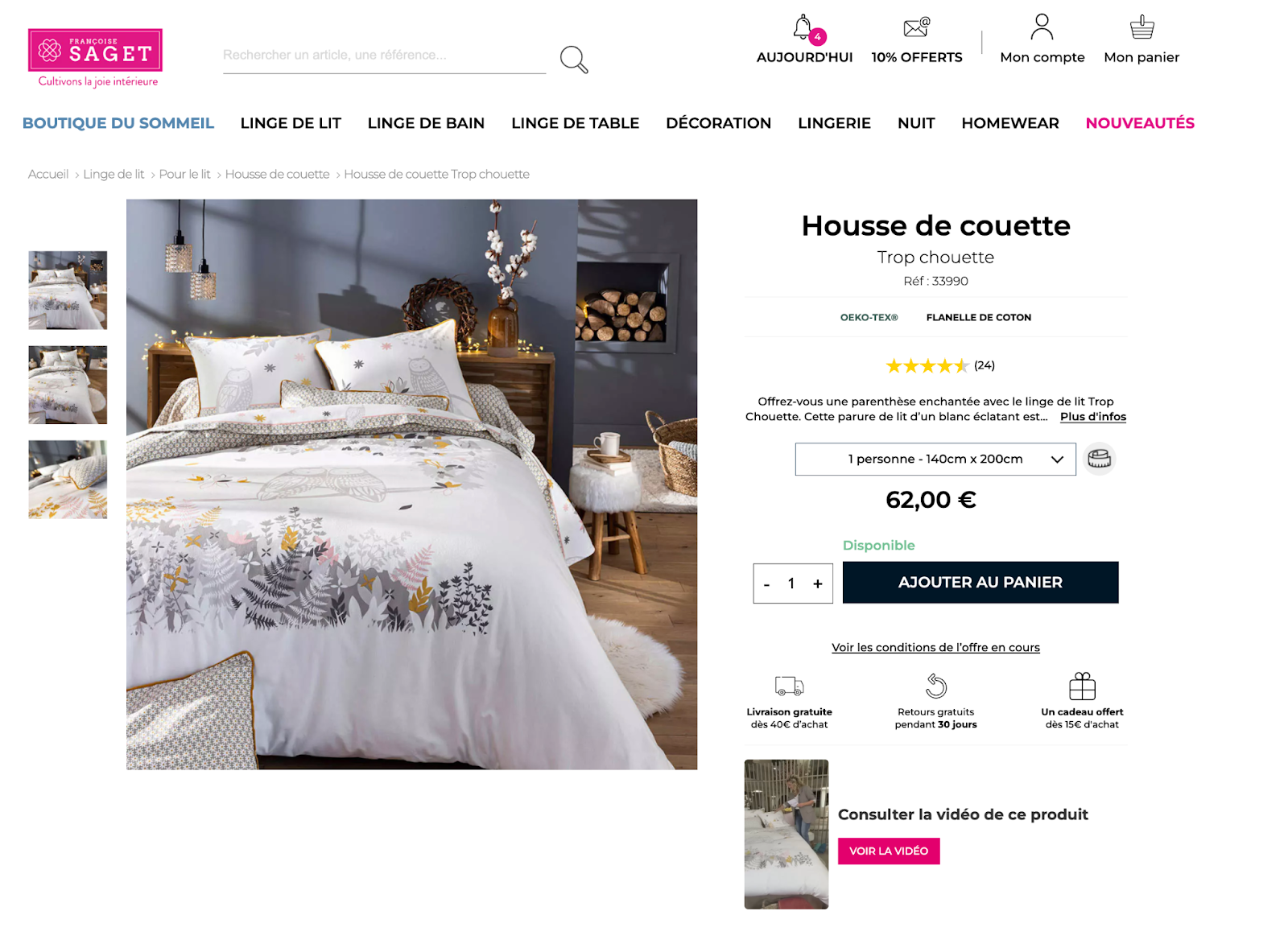
Françoise Saget product page featuring the Live Shopping Replay that presents it (bottom right). Seamlessly integrating Live Shopping with your other sales and communication channels is one of the pillars of an effective omnichannel strategy. This means customers should be able to move effortlessly from a Live Shopping session to purchasing a product on your e-commerce site, or to engaging with your brand on social media - without friction or inconsistency in the experience.
It's also worth leveraging your Replays and shoppable videos across your entire sales strategy: on product pages, social media, and even in-store!
Measure and Analyze Your Performance to Optimize Your Live Shopping Strategy

Measuring and analyzing performance is critical to optimizing your Live Shopping strategy. Using data collected during and after live sessions, you can evaluate the effectiveness of your content, the responsiveness of your audience, and the impact on sales. Key performance indicators such as conversion rate, number of participants, and engagement level should be monitored to identify strengths and areas for improvement.
It's also advisable to conduct post-session debriefs with your teams after each Live Shopping session, to cross-reference perspectives on performance and drive continuous improvement.
These analyses allow you to adjust aspects of your Live Commerce strategy - such as event frequency, product selection, or promotional techniques. By staying responsive and continuously adapting, you can maintain the effectiveness of your Live Shopping sessions and ensure they contribute positively to your omnichannel sales objectives.
Ready to launch your Live Commerce strategy?
Discover how Caast can help you with a personalized demo.
See a live demo - 20 min