
What is User Generated Content (UGC)?
Definition and importance of UGC

User Generated Content (UGC) refers to any content created spontaneously by a brand's consumers or users. This authentic form of communication can take many shapes - videos, photos, reviews, or comments on social media. UGC reflects the genuine voice of the consumer and drives deeper engagement with a brand. In an era where trust and emotion are central to e-commerce, UGC acts as social proof, showing that the products or services on offer generate real interest and are endorsed by the community.
Brands are increasingly relying on this type of content in their marketing strategy, as it is perceived as more authentic and credible than traditional advertising. Alongside Live Shopping, UGC offers a refreshing, human perspective that potential consumers often find more trustworthy. It also fosters interaction between customers and the brand, encouraging a more personal and engaging relationship.
Benefits of UGC for brands and businesses
UGC offers several strategic advantages for brands in their e-commerce strategy. First, it helps build a dynamic, participatory brand image by creating a community around your offering. By involving users in content creation, companies capitalize on their community's engagement to strengthen visibility and reputation. Second, UGC is an economic lever - it generates promotional content at low cost, since users are the producers. Third, user-generated content supports customer acquisition and retention through a marketing approach that values the consumer's experience and opinion.
UGC can also significantly improve a brand's organic search rankings (SEO) as well as visibility on social media. Fresh, regularly updated content paired with user interactions is a valuable asset for improving online positioning. Finally, UGC provides companies with rich data on consumer preferences and behaviors, enabling more targeted and effective strategy adjustments.
Examples of UGC in action
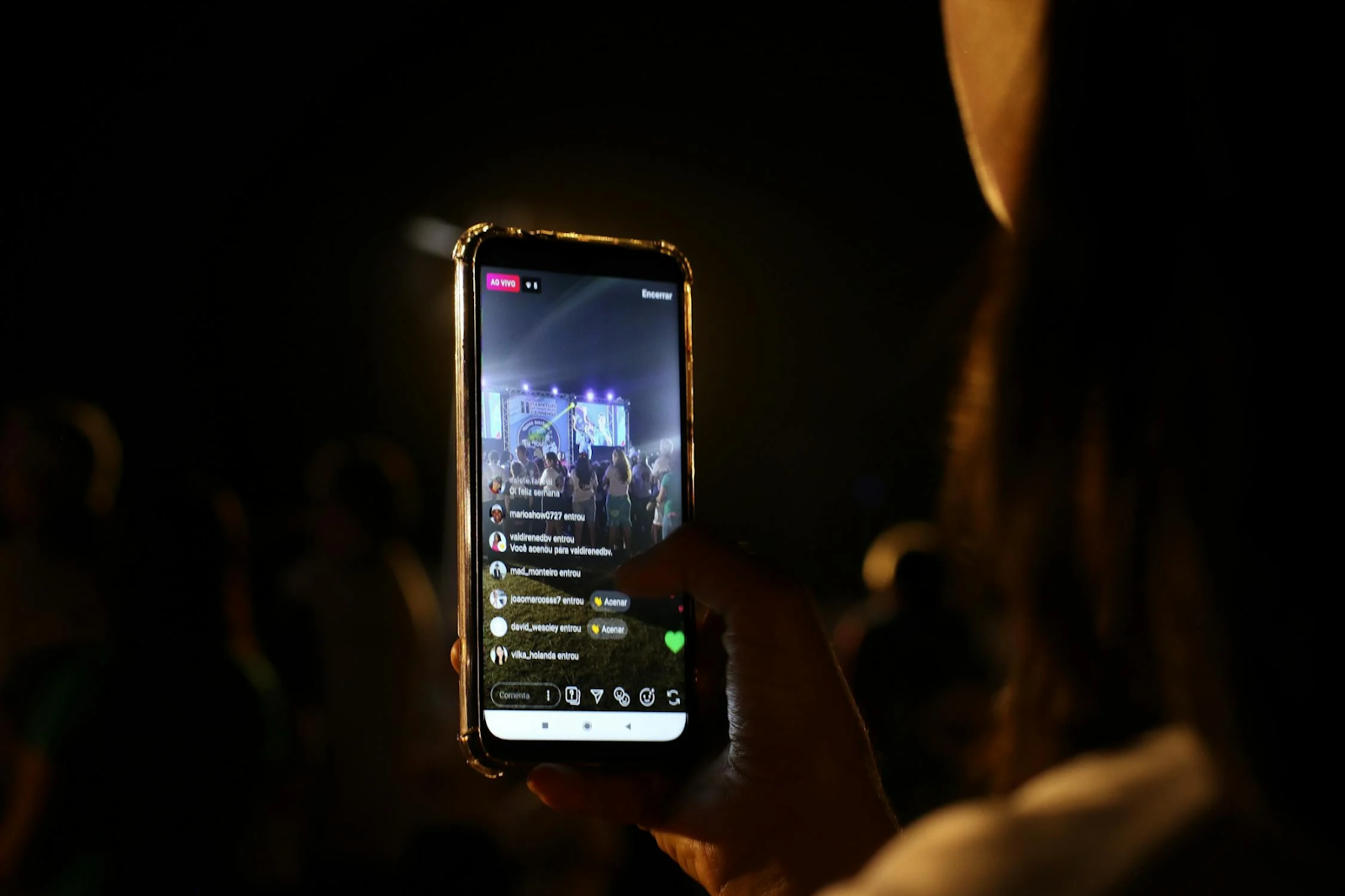
Many brands leverage UGC to energize their marketing campaigns. Here are some possibilities:
- Promote your ongoing campaigns: Live Shopping events, promotions, product launches… Any positive occasion is a good one. Think of campaigns encouraging customers to share product photos. These initiatives turn every user into a brand ambassador, extending the reach of your message through consumers' personal networks. Platforms like Instagram have become genuine showcases where UGC blends seamlessly with official brand content, creating an interactive and appealing gallery for visitors.
- Share reviews from your users and customers: Another compelling example is featuring customer reviews on e-commerce sites. These testimonials play a crucial role in the decision-making process of potential buyers. Brands that actively encourage customers to post reviews or respond to surveys demonstrate transparency and openness - qualities that are highly valued in today's digital world.
Integrating UGC into Live Shopping
The Live Shopping concept
Live Shopping is a growing format that combines the online shopping experience with live broadcasting. It involves real-time events where hosts showcase and discuss products, answer viewer questions, and drive instant purchases through direct links on the e-commerce site. This innovative concept leverages immediacy and interactivity to create an immersive, social shopping experience. Live Shopping represents a key opportunity for brands in their omnichannel sales strategy - strengthening audience relationships and boosting conversions through live product demonstrations.
This format is particularly effective for highlighting user experiences and integrating UGC. By inviting customers to share their opinions and personal demonstrations during a Live Shopping session, brands can create rich, diverse content that resonates with the community. This adds a layer of authenticity and trust - both key drivers of purchase intent.
UGC can be used in different ways around Live Shopping:
- Before the live: to promote the upcoming broadcast, through teasers or sharing sessions.
- During the live: user videos included in the intro sequence or transition jingles, viewer questions picked up as live FAQ, complementary demonstrations alongside the ones performed live. All of these UGC uses help you create impactful content and a well-paced live that grabs your audience's attention.
- After the live: incorporate UGC into the replay to create content distributed on your e-commerce site, social channels, or even in-store.
Strategies to encourage UGC during Live Shopping sessions
To encourage UGC during Live Shopping sessions, brands can adopt several strategies. One approach is to invite users to share their own product experiences in real time - by commenting, asking questions, or even joining the broadcast. Brands can also run contests and giveaways during the live, encouraging participants to produce and share event-related content to win prizes.
Another tactic is to feature real testimonials or use cases during the live, by incorporating video clips or photos submitted by users. Additionally, brands can collaborate with influencers or loyal customers as co-hosts, adding a personal and credible dimension to the Live Shopping session.
Don't forget to mobilize UGC before and after the Live to maintain authenticity throughout.
Measuring the impact of UGC in Live Shopping

Measuring UGC's impact in Live Shopping is essential for evaluating the success of this strategy. Key performance indicators (KPIs) such as conversion rate, view count, engagement (likes, comments, shares), and click-through rate can provide valuable insights into the effectiveness of User Generated Content. By analyzing this data, brands can fine-tune their approach to maximize the impact of Live Shopping sessions.
It's equally important to track the feedback and sentiment expressed by users following the live. Positive responses and satisfaction testimonials signal a successful experience, while criticism can reveal areas for improvement. Rigorous, ongoing analysis allows companies to refine their Live Shopping strategy and optimize UGC usage for maximum impact.
Building an engaged community through UGC and Live Shopping
Tips for encouraging users to create content
To build an engaged community through UGC and Live Shopping, it's essential to motivate users to generate content. Brands can, for example, launch challenge campaigns or branded hashtags that encourage users to share their product experience creatively. Offering recognition and rewards to top contributors can also motivate more participants to join the effort.
It's also beneficial to create dedicated spaces for experience-sharing on social media platforms or the brand's own website. Additionally, brands can simplify the content submission process by providing easy-to-use tools and clear guidelines on the type of content they're looking for. Clarity and simplicity are key factors in driving participation.
You can also leverage key moments in your industry and the broader e-commerce calendar. By creating content tied to the themes of major commercial events, you can deepen your connection with users.
Using UGC to build trust and community engagement
UGC is an effective method for building trust and community engagement. By showcasing authentic content produced by users, brands demonstrate that they value their community's opinions and contributions. This creates a sense of belonging and trust, encouraging members to engage more deeply and become brand advocates. UGC can also serve as the foundation for building a collaborative brand story - one where every user helps shape the image and values of the company. This participatory approach strengthens the bond between consumers and the brand, generating lasting loyalty and a tight-knit community around your products or services.
6 reasons to use UGC in your marketing strategy
- Authenticity: UGC brings a personal, genuine touch that humanizes the brand.
- Engagement: It stimulates consumer interaction and engagement with the brand.
- SEO & visibility: UGC contributes to improved search rankings through fresh, relevant content.
- Social proof: It serves as social proof, positively influencing purchase decisions.
- Cost-effectiveness: UGC generates content at a lower cost.
- Valuable data: It provides meaningful insights into the target audience's preferences.
UGC and Live Shopping are powerful marketing tools that, used together, can transform how brands interact with their audience. Caast's Live Shopping solution - enriched by Caast Shorts and Replay - perfectly illustrates how these two elements can work in harmony to maximize consumer impact and engagement. By adopting this strategy, brands can not only enrich the customer experience but also build a loyal, engaged community around their products or services.
Ready to launch your Live Commerce strategy?
Discover how Caast can help you with a personalized demo.
See a live demo - 20 min